Fragrance and Spice Khmer Style

Khmer Food
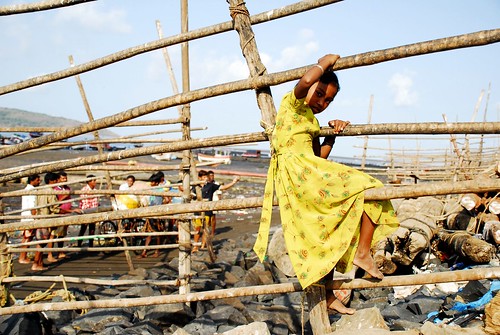
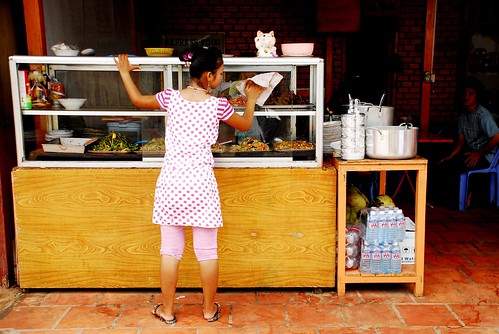
[Khmer Girl cleans the glass front of her restaurent in Psar Chas (Old Market), Siem Reap.]

Khmer food is not usually spicy but what it lacks in spice it adds in fragrance. Dishes are usually dozed with peppers, lemon grass and coriander. Khmer cuisine borrows from many neighboring Asian cuisines and like most things in Indo-china the cuisine is the explosive result of two cultures - Indian and Chinese meeting in a cooking pot or a wok.


Fragrance and Spice Khmer Style
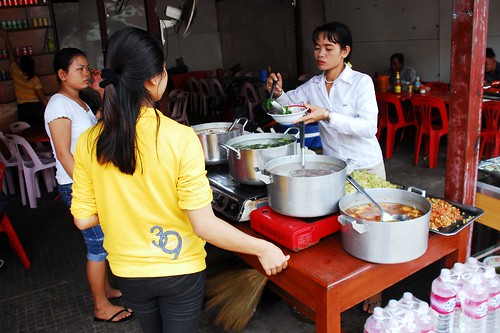
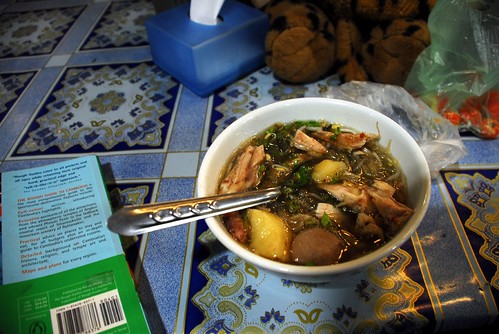
[Cambodian Soup being served - straight out of the the pots it was being served in to hungry customers]

The streets in Cambodia are littered with street hawkers selling their particular dish – from fried noodles to baguettes to charcoal-grilled meats and fresh fruit and ice-cream - from hand-carts or from baskets dangling from a shoulder pole. My next snack is never far. When in search for a cheap meal I find myself a market – which I find comes with an entire coterie of food stalls each selling their own specialty dishes – noodles soups, rice dumplings and rice porridge. Turn a corner and I'll find meat being grilled on charcoal, to be served with a spicy raw papaya salad and herbs, best downed with an Angkor Beer. Then there is the Cambodian equivalent of an Indian Dhabha, usually recognized by a row of pots on a slow burner on a table out in front. Who needs a menu when you can choose your next meal by lifting the lids and peering into the various simmering pots of food, pointing out what you like, smiling and then waiting for the meal to arrive at a nearby table and then proceeding to dig in.


siemreap2 162
[Bananas at Psar Chas Market]

Here is a list of stuff I’ve sunk my teeth into till now.

Amok


Fragrance and Spice Khmer Style

I'm told this is Cambodia's national dish, which I understand is Baked fish wrapped in a coconut leaf and cooked with green chillis and lemon grass - served in a green coconut curry. It reminded me of something in between a Thai Curry and something you would eat in Kerela.


Cambodian Rice Noodle Soup – Kyteow


Fragrance and Spice Khmer Style

This was my breakfast today which I acquired at a food stall in Psar Chas. The Soup, was basically thin rice noodles in a clear broth with chunks of boned chicken swimming in with bean sprouts, potatoes and bell peppers. The soup's other ingredients I couldn't make out initially but later found out to be sliced gizzards and congealed blood – they made the soup appear sinister in hindsight but ignorance being bliss I quite enjoyed my soup.

Well I'll add stuff to this list as and when I do eat something new and interesting - Fried crickets anybody ?

Angkor First Impressions.

Apsaras at Bayon
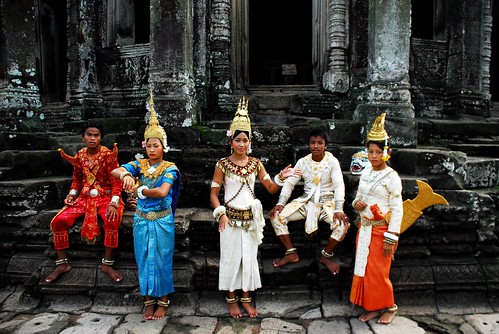
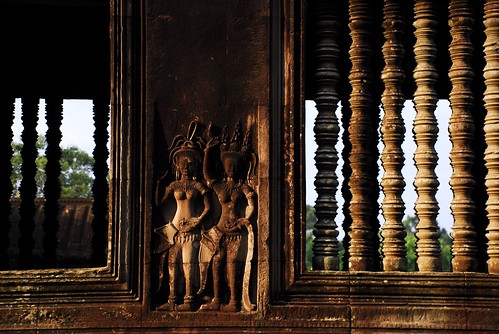
[Apsaras at Bayon at Angkor Thom]

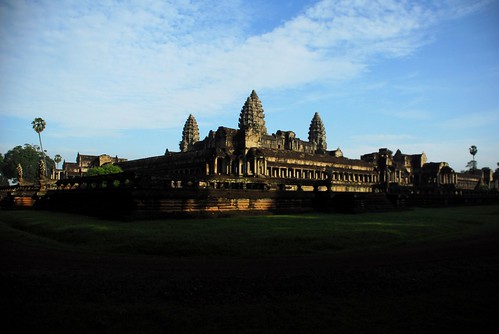
Just before dawn, the towers of Angkor Wat are ink shadows etched under the paling indigo of blue of the tropical night. The first hint of dawn washes the sky with pink and reveals the mist wreathing the stones. The sun rises behind the temple’s luxuriant forest, and the first rays gild the pinnacle of the central sanctuary. Gradually the light slides down the towers, bathing the walls and galleries, and strengthens from apricot to gold as the sun enriches the spectrum until the great monument glows from within. It is a transcendental experience.

Angkor Wat Reflection Cliche
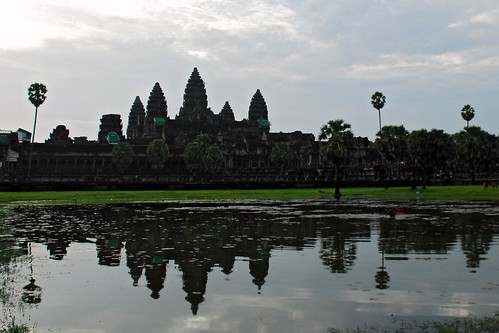
[No photographers visit to Angkor Wat will be finished without this shot. Come on reflection, giant temple do the math]

Angkor Wat, Day 1 in Cambodia
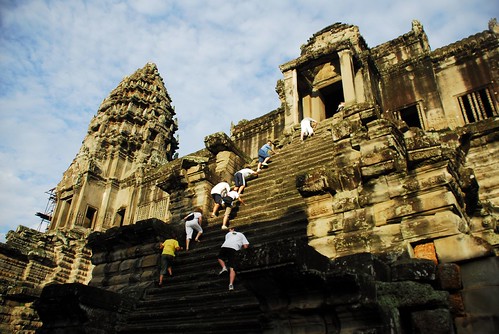
[A french tour group climbs the inner pyramid of the temple.]

Even without the romance of sunshine, or the most frequently watched sunset, when the towers are reflected in the ceremonial pool in the front of the monument. Angkor Wat is overwhelming. We are awed by vast achievements like the pyramids of ancient Egypt, and by the inspired blend of iconography, form and spirituality of Java’s Borobudur or the symmetry of the Taj Mahal. But none surpasses the Angkor Wat, with its perfect fusion of symbolism, structure and scale.

Angkor Wat, Day 1 in Cambodia

This astonishing architectural masterpiece in Angkor, the capital of the Khmer Kingdom from the ninth century, was built in the first half of the twelfth century by Suryavarman 2, who reigned from 1113 until the mid century. It is hard to believe that this enormous marvel was built to appease the religious fervor of just one person. It is believed that only Suryavarman itself used the temples to worship devraja during his lifetime and the inner sanctums of which were inaccessible to anybody but him and the high priest. Oh well he was a god king.

Angkor Wat, Day 1 in Cambodia

The sunrise as I described in the first paragraph was magnificent - going early coupled by the fact that it is low season let me escape the day-tripping hordes. I walked around the temples in Angkor Thom but more about that later. As for Angkor Wat I think I'll go see it again tomorrow.


Tomorrow my post on Khmer Food - Yum !

Teesra Update - Saira Goes to Kathmandu

Death Comes by Full Moon

Here is a tiny snippet coaxing you folks to go over to go over to our Rickshaw Run blog - Teesra.org - and take a look at the wide selection of posts, mostly Shez and Neha have been posting. Now that we're back I promise the frequency of the posts will be regular and crisp - Photographs, words, video and audio as promised.

Here is a snippet from a post I wrote - Saira [our beloved auto-rickshaw] goes to Kathmandu

Tanks full, jerry cans filled we continued our descent into the Nepalli capital, to Thamel to what our guidebook described as “the intersection of Hippiedom and Hinduism, where Haight-Ashbury meets the Himalayas.

We spent the next day in Kathmandu exploring the old city, Saira resting in the hotel parking lot – catching a cherished glimpse of the Kumari, or living goddess, a prepubescent girl who was consigned to the upper-floor temple room where she was served as a flesh and blood incarnation of divinity. The pack roamed Durbar square; Neha in her curiousness quizzing our tour guide, Shez playing with smiling children and hatching silent dreams of opening orphanages in the Nepalli country side and me in the corner following them both sheepishly taking pictures of course.
[link]

You could also read about my packing habits as jest fully described by neha. Also show some love and leave a comment will you.

As for now I'm heading East bound to Cambodia - this time for real - not like last time when I fell sick at the opportune moment.

Teesra.org : Our New Blog


By now I’m sure you bunch have grown pretty tired of my incessant rickshaw ranting. Sadly this will do nothing to dull our words, our pictures and audio – and we have been working hard in the sidelines to find a home for are adventures. Therefore, it gives us much happiness to announce the launch of Teesra.org . A blog that chronicles all our rickshaw escapades, which Megha (she is such a sweetheart) happily volunteered to design for us and what a beautiful job she has done.

Yes so ahead give Teesra a spin, grab a feed and be dazzled by our collective greatness.

Pictures on Flickr as always


Rickshaw Run tracked by Mobiance

Guest Post : Rickshaw Driving 101

It makes me proud to present to you Trivial Matters first ever Guest Post - by none other then our very own New Argonaut Shez .


Annoucning "Rickshaw Run" Aspirations
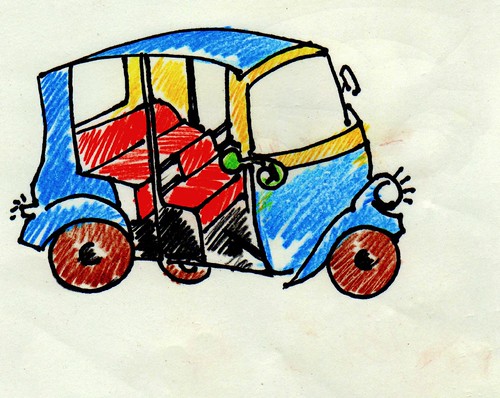
[Our Logo - Illustration : Mom]

When Neha bounced up to me (with all her usual Neha exuberance), announcing that Akshay and her wanted to go on this race called “the Rickshaw Run” and they thought I would be the ideal third person for this adventure. I thought she had more screws missing in her head than I do. Which meant she had to be stark raving mad, because I’m pretty damn crazy!

Well after a couple of hours of cajoling and convincing (which Miss Dara excels at), I bent. I gave in and asked my boss for permission to throw caution to the wind and ride a three wheeled demon machine into the unknown.

That was sometime in May. Since, Akshay and Neha have done remarkable things to raise funds for this adventure. While I (the lowly third and left wheel of the team) took my begging bowl to every friend and family member I could think of who loves me enough to slide a hand into their pockets and find all the lose change jangling about and part with it. Between us we have almost reached our target figure. We are still short, but adventures hang on hope and guts…and the three of us we have plenty of both.

All that said. The most important stage of preparation has begun. Our rickshaw lessons.
Well for those of you who have read my full name or know it…you would have guessed that I’m from a Muslim family. I’m not a practicing Muslim myself but there are moments when Islam waggles an index finger at me, followed by a wink and a nod. The first step of our journey was just that sort of occasion.

It was a Friday and I had hardly slept the night before. I was shacked up in a friend’s flat in the South. Rickshaw class had been scheduled for 10:00am in the morning, at a motor school near Lucky’s in Bandra. At about 9:15am I called Neha to tell her I would be late. Turned out my phone call woke her up. Friday is Miss Dara’s day off. On Friday Neha sleeps. Wild horses can’t drag her out of our flat.

So I tried calling Mr Mahajan. Suprises, surprise…Mr Mahajan had yet to rise!
Well in groggy tones we decided to catch breakfast and then a lesson. Giving our front wheel (Miss Dara) time to spin into motion and arrive.

Rickshaw Riding 101
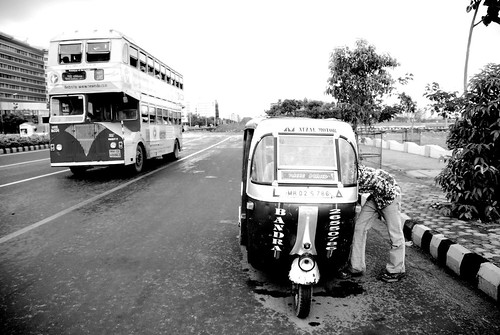
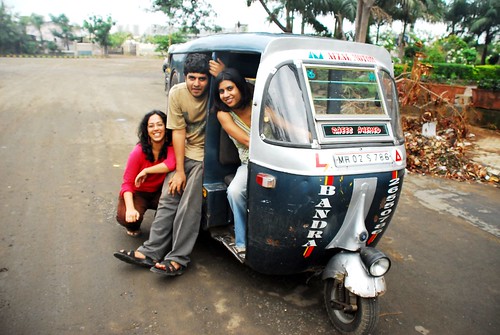
[The Afzal Motor School Rickshaw sputters as Shez revs the engines at Bandra Kurla Complex]

Akshay and myself are hungry monsters all the time. We parked ourselves at a restaurant in Bandra with a salad bar. Pilled one plate with the veggy salady things, one with the non-veggy saldy things, took two empty plates and between us ate enough salad for five people!


Neha finally walked in. Just as the rain began to break…she was also just in time to eat leftovers that might have gone to waste. Akshay and myself have found Neha’s can be very useful to have around (Wink!Wink!)


After a little more procrastination and lazy stretching we made our way across Bandra to Afzal Motor Training School. We trudged through a slow Bombay drizzle, slush filled and crowded, squeezing along allies, passing mosques, vegetable sellers and butcher shops. Till finally we caught sight of the Afzal’s board and the little grey stead that would take the beatings of our inexperience.

Faisal a lanky friendly guy with the patience of a Sufi saint (and a comfortable easy manner that remains unperturbed by anything his students may do), was to be our Rickshaw Guru.

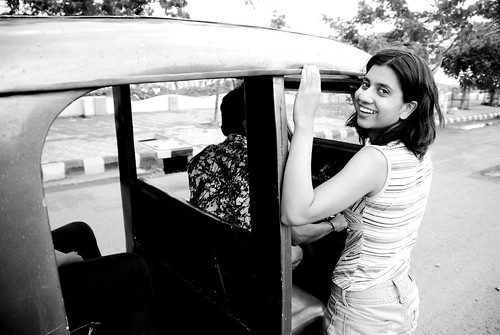
He seemed amused by us at first. As the lesson progressed caught he was infected by our enthusiasm to learn. In fact he soon developed a beam of pride because he had a guy with a fancy camera and two girls learning in his rickshaw.

Rickshaw Riding 101
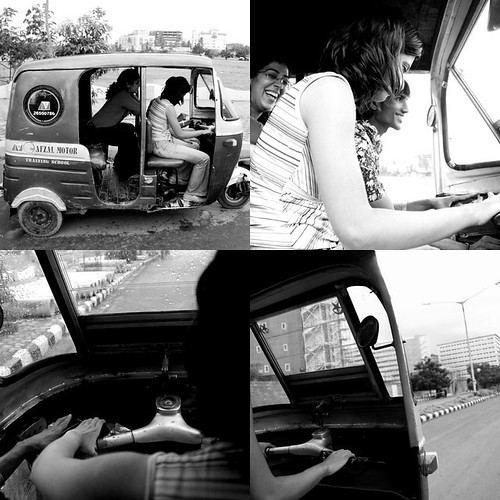
[Neutral, Clutch, First the gear change - a gentle tug at the accelerator and shez is off. Neha watches on and gives encouragement - quizzing Faisal at every opportunity. ]

Akshay and myself were both nervous and a bit petrified before lesson number one. We had finally made our start at about 3:30pm. I had an appointment at 4:00pm. Despite the lack of time I couldn’t bring myself to be the first one off the starting block. Akshay mustered up his brave side and was the first one to learn how to start, change gears and take turns. He wasn’t bad. Thanks to him my yellow lily livered feeling subsided. I slid into the front seat next to Faisal. He ran me through the gears. The importance of letting off the clutch slowly as you accelerate and leaving the accelerator when you change gears. It was a quick lesson. I learnt how to take turns and listen to the engine for smooth gear changes. I rode through the relatively calm areas of Bandra Kurla complex before I ran off to an appointment I was already late for.

Rickshaw Riding 101
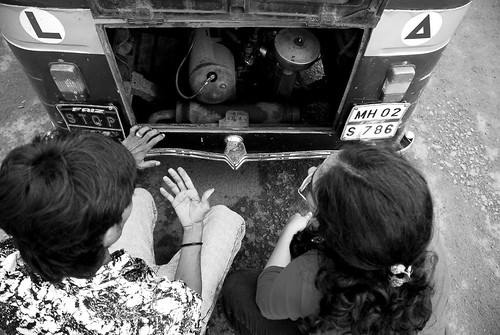
[Neha studies the inner heart of our little toaster.]

My first lesson alone was at 4:00pm on Saturday. Neha and Akshay had skipped town for some fund raising and a break. So I grabbed a hold of my bestest friend in this lifetime. The lovely Miss Tara Sapru and marched through the slush once more to Afzal motor driving school.

Rickshaw Riding 101


The ever punctual Faisal was there waiting for me with a Salaam Ailekum and a smile.
He ran us out to the main road and handed over his trusty stead to me. He perched himself on the wide seat next to me. In case things got hairy.

Rickshaw Riding 101

Through the thick of Bandra traffic I puttered along, blocking off car and bus drivers at intersections, while I sweated through gear changes.

Then came the real acid test. Faisal grinned and informed me it was time to make his baby climb in second gear up Bandra’s steepest slopes and roll down in third without killing anyone! I succeed 

So do I think we are ready? Hell yeah! Race Rickshaw Run say hello to team Teesra Paiiya!

Meet the Team.
[Teesra Paiya Photo : Faisal Quereshi ]

The Donations are still open - so if you wish offload some extra change to charity - here is something to help.


Next Stop Calcutta, expect updates....

Previous Post here

Announcing 'Rickshaw Run' Aspirations

Update :

Thank you

Beth, Karmadude, Babasko (twice), Nick , Megha, Kaushik , Sivashankar, Ash, Gvenum, Naveen*,Shiva, Shane,'Peter and Emily*',Krishna*, Farah, Prem, Kathryn, Rajeev, Richard, Tehmina and the Pai Family in Mysore for sending us some money. Who's next


Also thank you Amit, Rash*, Megha, Desipundit*,Chugs*,Shiva* Sonia , Peter and Prem for the shout out.

And Yes you can also find us on Facebook

Expect pictures and notes from our first rickshaw lesson soon !!!

Sponsors

Mobiance is a tech start-up that is letting us give their fleet tracking technology a whirl and Hence allowing you to track our progress real-time during the duration of the run. Check them out.

Mobiance Logo


Listen to my Podcast Interview on the Kamla Bhatt Show. [mp3]


A Few months ago me and two of friends of mine got the crazy idea of volunteering ourselves into a race that involves driving over 3,750 km across India in the Monsoons over the Himalayas - if that wasn't harrowing enough we thought we'd do it in an mobile toaster on wheels - 3 wheels to be exact - yes we plan to ride an auto-rickshaw across India through torrential rains across the Himalayas.

No seriously - it is called Rickshaw Run

The run will take us deep into the heart of India. Once there we will travel through the Indian heartland in a transport that by all means Indian. By reaching a multitude of challenging way points through large stretches of grueling terrain, completing physical and intellectual exercises, we hope to complete the Run to our satisfaction.

The event, organized by the London-based Institute of Adventure Research, is intended to raise money for charity (learn more about the organizers - here ). The Run started last year with a drive from Cochin to Darjeeling, but not one of the participating teams was Indian. We’re trying to change that this time.


The Route
:

Starting from: Calcutta along the length and breath of the mighty Himalayan range, we will be taking on mountains, forest, jungles, wild plains and just about everything India can through at us and our almost useless vehicle. We can A spend your whole trip on tiny dirt tracks in the Nepalese mountains at or B thunder over to the deserts of Rajasthan before making the final push to the north and the hills.

Ending: in Manali high up in the hills.

Take a more detailed look at our Route here.


Meet The Team :

It's a four member consisting of bunch of rather interesting personalities. I'd think you'd agree.

Firstly there is this chap called Akshay - namely me.


Akshay Mahajan began his freelance career at the age of 19, when he quit engineering college and jumped on to a freight train for 200kms and sold photos about the experience on the internet . Two years later, Akshay is still wandering the country with camera and pen in hand. He mostly earns his money as a self schooled photojournalist, versatile in style with a natural eye for colour, tone and composition (sic!). His work has been published in a number of local and international publications and has documented a number of events culminating in an exciting and varied body of work. Akshay blames his parents for his restless feet; at every opportunity, they were off exploring the country but for some reason never made it to Goa, an omission that he put right recently [I'll put up some picture soon I promise].

He hopes to take a lot of pictures and expects do a lot of the navigation not by choice but because of the fact that he is the only male member on the team.


And we have Shez

Shaizia Jifri is the oldest in the group age wise. But definitely has all symptoms of one suffering from Peter Pan syndrome. Which means she'll never say no to an adventure. Shaizia or Shez, as she is fondly known, works in a film production house. Which means she lives a life filled with crazy hours and is constantly pushed to make the seemingly impossible, possible. From the age of eighteen she has driven vehicles long distance and is no stranger to long hauls and basic mechanics. In fact she has calculated that she has driven approximately 260,000 kilometres in her lifetime. Which for a wee woman of twenty-five is quite an impressive figure.

Shez is full of energy and has the stamina to go on and on. She takes much pride in the fact that she is stronger than she looks. Pint size and full of beans Shez is the left wheel on this three wheeled adventure.

Outlook magazine called her a New Argonaut - whatever that means.

And there is Neha


Neha has always been the sensible one. All rounder in school: good in studies, basketball team member, magazine editor. She's the friend everyone's mother loved. She always liked writing and started interning with the Hindustan Times when she was in class nine, so it was no surprise when she started working with the paper right out of college. But that's when things got a little random. After about a year and a half on the job, she decided to move cities, "so she could see a new one", and landed in Bombay. Now, she wants to do the Rickshaw Run and she has a good many reasons that she used to sell the idea to Akshay and Shez.


The last member of this team doesn't even know about their participation in this event yet but this last member also happens to be the most important one - Sorry to spring the surprise but the last member of our little team is YOU. How you ask ? Well we do need someone to sit at home and look at the pretty pictures, read the words and laugh at videos - it is a tough job but we know you are a team player.


Calling online Philanthropists


As I said earlier we are trying to raise money and awareness through this exercise - the money will be donated a NGO called Mercy Corps - which has helped organize Rickshaw run.

Mercy Corps is a non-profit organization engaged in humanitarian aid and development activities. Mercy Corps works amid disasters, conflicts, chronic poverty and instability. Since 1979, Mercy Corps has provided more than $1.3 billion in assistance to people in 100 nations. Supported by headquarters offices in North America, Europe and Asia, the agency's unified global programs employ more than 3,400 staff worldwide and reach more than 14.4 million people in more than 35 countries. There are working several Indian NGOs - the list to which you can find here.

The rickshaw themselves will be donated at the end of the race to people who gain meaning employment through their use.


Here is where I ask you for a small donation - so please do donate us some money.
To make the deal sweeter - for those nice people out their who give us money - I will personally send them a good-sized print of a photograph of their choice.

Here are some pictures you could have hanging on your wall.
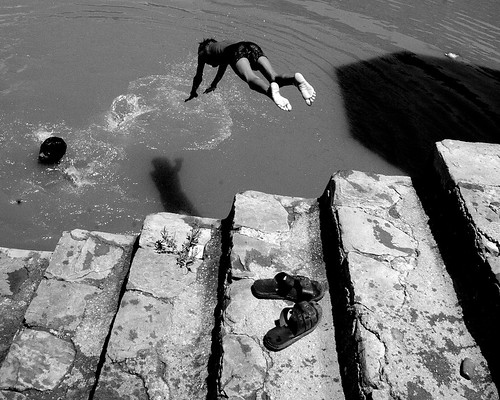
Swimfan.

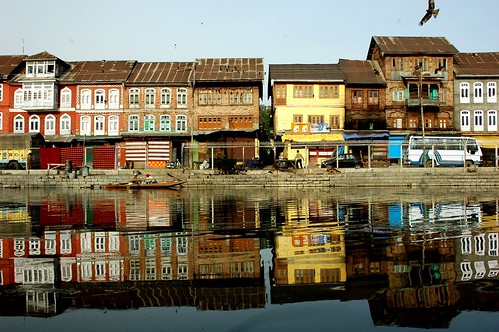
Srinagar Reflections

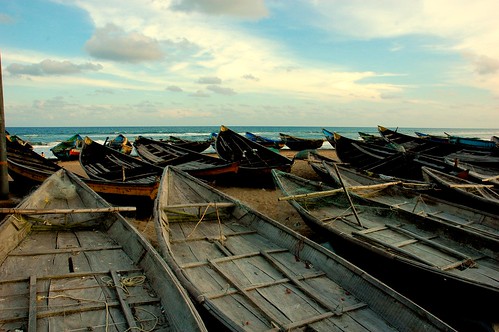
Boats in Puri, India.

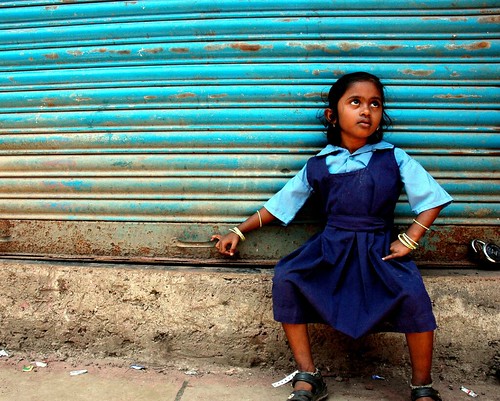
Like a Dancer in Blue


So yes support the cause and make a donation through paypal


If you have questions or need information on the run or want to send us some money in another way- you can email me at akshaym[@]gmail.com - I also have document and a presentation ready which I can forward you upon request.


And Oh yes before I forget the team is called Teesra Paiya and stay tuned for updates.
The Lost City in Vasai.

The Lost City of Vasai
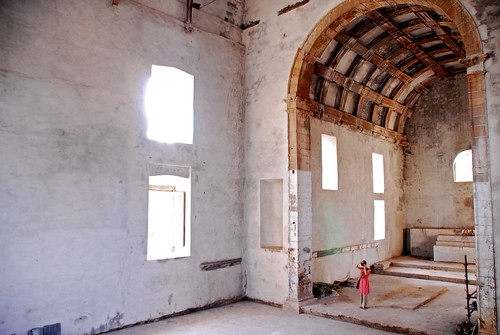
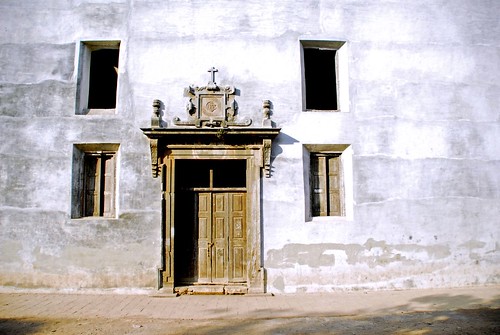
[The interiors of one the many ruined churches in Bassein - shot as megan takes a picture - probably of me]


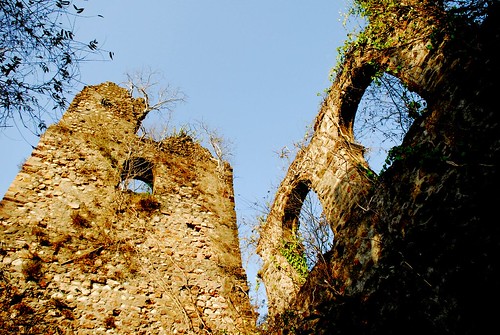
The silence rings through the waist high weeds-green, dense and prickly. As you walk through the ruined remains of fortress city encapsulated from the world under a umbrella of creepers, weeds and overgrown banyans. A bulbul watches us from her ivory tower in the mango tree laughing at our endeavor to fight nature’s wall of green


Lost City of Vasai - Mumbai - India.

The first Europeans to discover a sea-route to India as your history text-books will rightfully point out was the Portuguese Vasco de Gama, but his ambition for the subcontinent apparently extended no further than his avowed aim, buscar Christaos e especiaria – to seek Christian and spices. The first Portuguese landing in Bombay in 1509, was a rapacious foray, not untypical – they used the elephanta caves as target practice for their canons, captured cows and behaved like their conquistador counterparts in the Americas. Bombay was at the time the property of then king of Gujarat Sultan Muhamed Shah Begada, who initially repulsed the foreign invaders; then gradually worn-out by the repeated assaults he was forced to consolidate his holdings in western India.

Lost City of Vasai - Mumbai - India.

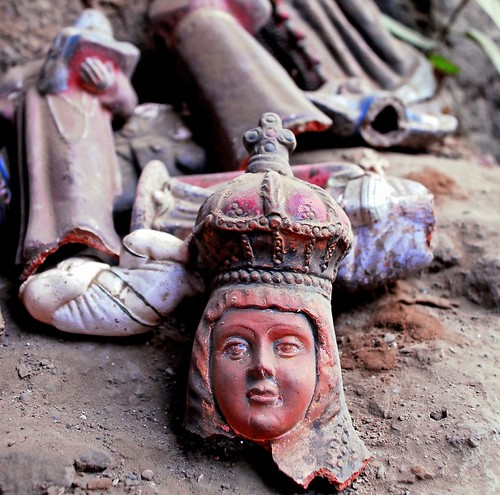
By the year 1534 the King of Portugal held the seven islands plus Bassein, which was a chunk of mainland territory north of Bombay also known as Salsette but now as Vasai. Here at Bassein the Portuguese built themselves a walled city overlooking the sea, which remains to this day. Its chancels, creepers smother the gravestones of the some Bombay’s earliest colonialists; it seems to have remained untouched, like Sleeping Beauty’s citadel, since the day the Portuguese were forced to vacate hastily by a local Mahratha army. It is a poignant reminder of what was, and of what Bombay itself might have been today had history taken another turn.

Lost City of Vasai - Mumbai - India.
[Pieces of Portuguese pottery at Bassein, Vasai]

Trees and bushes block every trail. The ruins you can see are draped in moss and creepers, their walls dangerously pregnant with pepal shoots. There are other ruins the forest has swallowed whole. The state transport bus from Vasai Road station dropped me close to a ruin where fishermen were mending nets. Only the walls and a vaulted roof, at the far end of the building, remain. Two raised platforms under the vaulted portion suggest this was a church. The walls have slits like windows that make you imagine them as stained glass windows.

As you walk through the ruins the columns, arches and stairways nonetheless speak of a grand assembly hall or possibly a monastery . Walking around it, you can hear the drone of an organ, the rustle of skirts and polite clinks of glass. A hand catches me around the shoulder. A fisher boy, about 15, had joined me. He wanted to show me a mandir further inside. "It is modelled on Goye ka Safri," he offered by way of inducement. It took a while, but I finally figured out he meant St Francis Xavier's church in Goa. My guide said parts of Josh and Kambakht Ishq were shot in this church. The past and present coalesce.

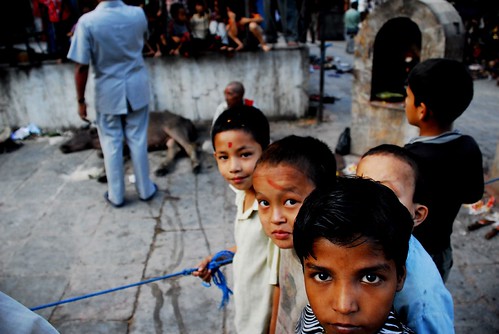
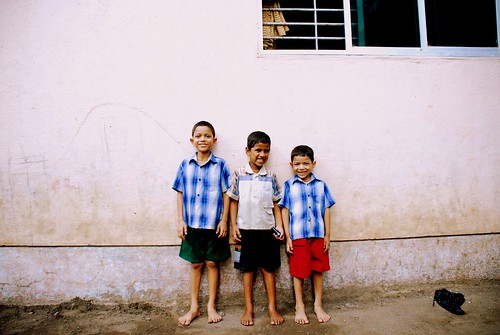
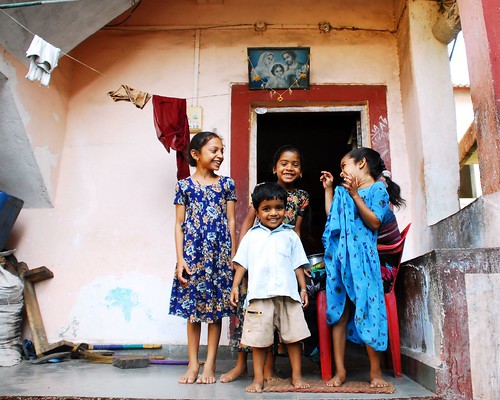
Children at Naigaon - the fishing village at Bassein's north gate.

The Blue Checkered Shirts Three

It must be summer

Summer Yellow


Getting there -
Bassein or Vasai is a suburb of Mumbai and getting there is easy.Its connected by the western line - a Vihar Fast will get you there from all stations on the line. You can take an auto or a state transport bus from the station to the fort.

Calcutta Coffee House

Calcutta Coffee House -  5

In the beginning, before CafĂ© Coffee Day, Cafe Barista and their likes there stood Calcutta Coffee House, ''a village in the center of the metropolis, steaming with gossip, curiosity, political intrigue and slander.”

Situated in the heart of Calcutta, opposite the Presidency College, commissioned in 1942 by The Indian Coffee Workers' Co-operative Society, the coffee house quickly developed on the lines of a student Literaten Kaffeehaus. Satyajit Ray would dream up films here, while many a writer consumed coffee beneath its the vaulted arches. Noise, gossip and cup-carrying waiters seethed between the writers and their subjects.

A Monument to Calcutta's Glory

Calcutta Coffee House -  4

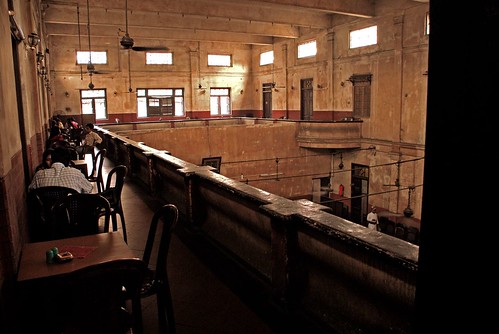
Here under the high whistling ceiling fans and in the environs of these fading mildew covered brown walls sat tragic young writers with puff-pastry egos; the air was thick with philosophical rantings as dense as the number on their glasses. More than any other coffeehouse, perhaps, the Calcutta Coffee House exemplified this Antelle attitude, a monument to the glory of Calcutta and its uplifting elixir, caffeine and the rich conversation it spewed.

The coffee house has been impervious to change since its inception and has slowly trotted along for more than 50 years of its existence. Albert Hall, as the place was known before the present sobriquet was bestowed by the Central Government, was already a favourite with Rabindranath Tagore and Subhash Chandra Bose and could boast of a legacy of swadeshi meetings. A place that had carved out a niche for itself as the most popular adda was thus the easiest choice for the promotion of coffee in a city till then an excellent market for tea.

Although its presence once burned like a supernova, the coffee house has been rocked by numerous upheavals that have threatened to close it down and close it did on at least one occasion only to reopen after much uproar the Calcuttans created, at the loss of their most beloved adda.

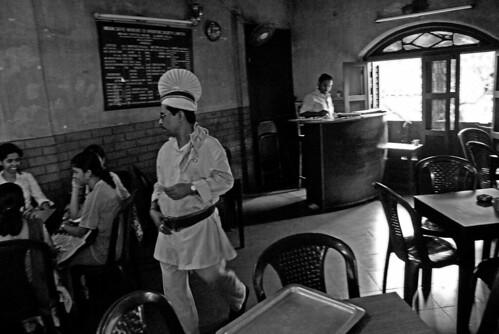
Smoke from an entire barrage of cigarettes spirals up to the ceiling as people drink their coffee with an accompanying glass of cold water, reading newspapers while eating samosas or Chicken Afghani (only twenty-three rupees). Elderly turbaned waiters in faded white uniforms drift from table to table. Everyone knows about Calcutta’s love for talk especially about exalted topics from Dosteovsky to the vagaries of Indian cricket. It usually involves some amount of talk about cricket, politics, football, food and always with a footnote about the songs of Tagore. The Coffee House permeates this talk, a bright hum insulated by its high vaulted ceilings from the noise of the street outside.

Calcutta Coffee House -  3

Calcutta Coffee House -  2

'All the literary giants came here,'' said Aparna Sengupta, who was drinking coffee and pointing to the picture of Tagore on the wall. ''It's a special Calcutta place.'' She was seated with a group of six girls probably her classmates who were attempting to learn German from a old copy of a textbook. ''I like the atmosphere,'' said 23-year-old Amal Basu, who was alternately reading a novel and the newspaper-The Statesman. “But they still need to stop this place from falling apart,”he said, pointing to the walls.

Mr. Basu, a regular, was smoking Goldflake cigarettes. ''The coffee is terrible here,'' he said, ''but atleast I can afford it.''

Calcutta Coffee House -  1

Indeed, there is a general feeling that the days of intellectual revelry have passed it by for a blander experience. Those days have definitely gone but the Calcutta Coffee House has desperately held onto the atmosphere of an era gone by: the dark-brown walls; the stark wooden chairs and tables; white porcelain and steel cutlery.

“There are too many shirts and ties in the crowd”, complains Mr Das, a wizened patron, musing on the changes, while eating his bread-butter. ''I doubt it will again become a cafe for literary people or philosophers,'' he said. ''These kind of people do not exist anymore. They are working mainly in IT.''

Mr. Clean

Dhobi Ghat [Photo 4]

The dhobi is just one of the many visitors an average Bombay household gets - all those friendly faces that keep you busy answering your doorbell through the day - the dudhwala (milkman), the paperwalla (newspaper boy), the bhajiwalli (vegetable grocer), the machiwali (fisherwoman), the jamadar (garbage-collector), the watchman (security at the main gates), the maali (gardener - not in all cases) and the bai (maidservant).

Just the other day as I was handing my dhobi my favorite light canvas jeans to be washed and he hands them back to me pointing to a big designer hole in the right leg just above the knee, one inch square and frayed. I try handing them back but he refuses to accept them as if they are something illegal.

Dhobi Ghat [Photo 13]
[Dhobi ghat as seen from Mahalaxmi bridge.]

Dhobi Ghat [Photo 10]
[Dhobis unloading clothes to be washed at Dhobi Ghat, Mahalaxmi]

Dhobi Ghat [Photo 3] Water beteween your feet
[Water between your feet]


My dhobi probably thinks this is a ploy on my part to attribute the damage to him and claim for a new pair of pants. I throw in some more clothing into the big pile of laundry on the floor and give him a clear and simple verbal affidavit that the hole is both known and wanted. As I pay him I am curious to find out where my clothes are washed......Probably some large industrial washing machine that somehow always manages to conveniently eat up my socks. I ask anyway. "Dhobhi-ghat," he replies as he counts the money I hand him.

"You'll take me there? " I ask him. "Come with me, I'm going there now," he replies nonchalantly as he mounts the bundle of clothes on his head.


A thirty minutes journey in the luggage compartment of the train (through the Monday morning commuter chaos ) and we are there-Dhobi Ghat near Mahalaxmi station. I park myself on the bridge over the train tracks. On one side of the tracks is the Dhobi Ghat: a honeycomb of concrete wash pens each about five-feet square. Standing in a foot of soapy water in each of these cells is the Dhobi –the laundryman– and he swings the piece of clothing he is washing over his head to hit a flagstone at the base of his pen. He has the action of an old-style lumberjack cutting wood with a long handle hatchet. Laundry from all over Mumbai comes here and it occurs to me that maybe later one of those Dhobis will be flogging a light canvas jeans with a strange but unusually attractive hole in them. Each dhobhi pen or vat is connected with the drainage line. The vat is filled with soapy water. The Dhobi Ghat has about 750 stones and at about 1000 clothes per stone per day it works out to about 7.5 lakh clothes daily.

Dhobi Ghat [Photo 12]
[Bundle of clean clothes to be carted back to their individual owners]

Dhobi Ghat [Photo 1] - Slap of the Wrist

Dhobi Ghat [Photo 8]

No laundry receipts and no complicated databases on computers, yet my clothes are delivered to me the next day, in near perfect condition through the efficient young dhobi. But what transpire in those hours that the clothes leave your home till the time they come back is a mystery in itself.

The clothes go first to the Dhobi Ghat or to the dhobi's home. Then all the clothes are separated on the basis of their colours. They are then washed, sun dried and then ironed to crease perfection. The clothes are then sorted and packed off to 'their' respective homes. And all this is possible due to those little black marks made on the garments at the time of collection. So at the end of a long working day, you don't have to bother with trivialities like 'laundering and ironing clothes'.


A train pulls into the noisy station and I see the packed commuters bulging out of the never-closing doors. The Dhobis continue, attentive to their tasks and oblivious to the chaos of the railway.


Next morning my clothes arrive in a neat paper parcel loosely tied with a string. Yes, all my clothes are there. I change and feel fresh and clean once more.


Dhobi Ghat [Photo 6]
[Artist's impressions of Dhobhi ghat.]


More Pictures on Flickr.


[Originally Published in the Hindustan Times, Dated 6th April]